
In recent years, artificial intelligence has become an integral part of digital products. But when working on an AI-based product, the challenge is not only the technology itself — it is also about how users understand it, trust it, and integrate it into their workflow.
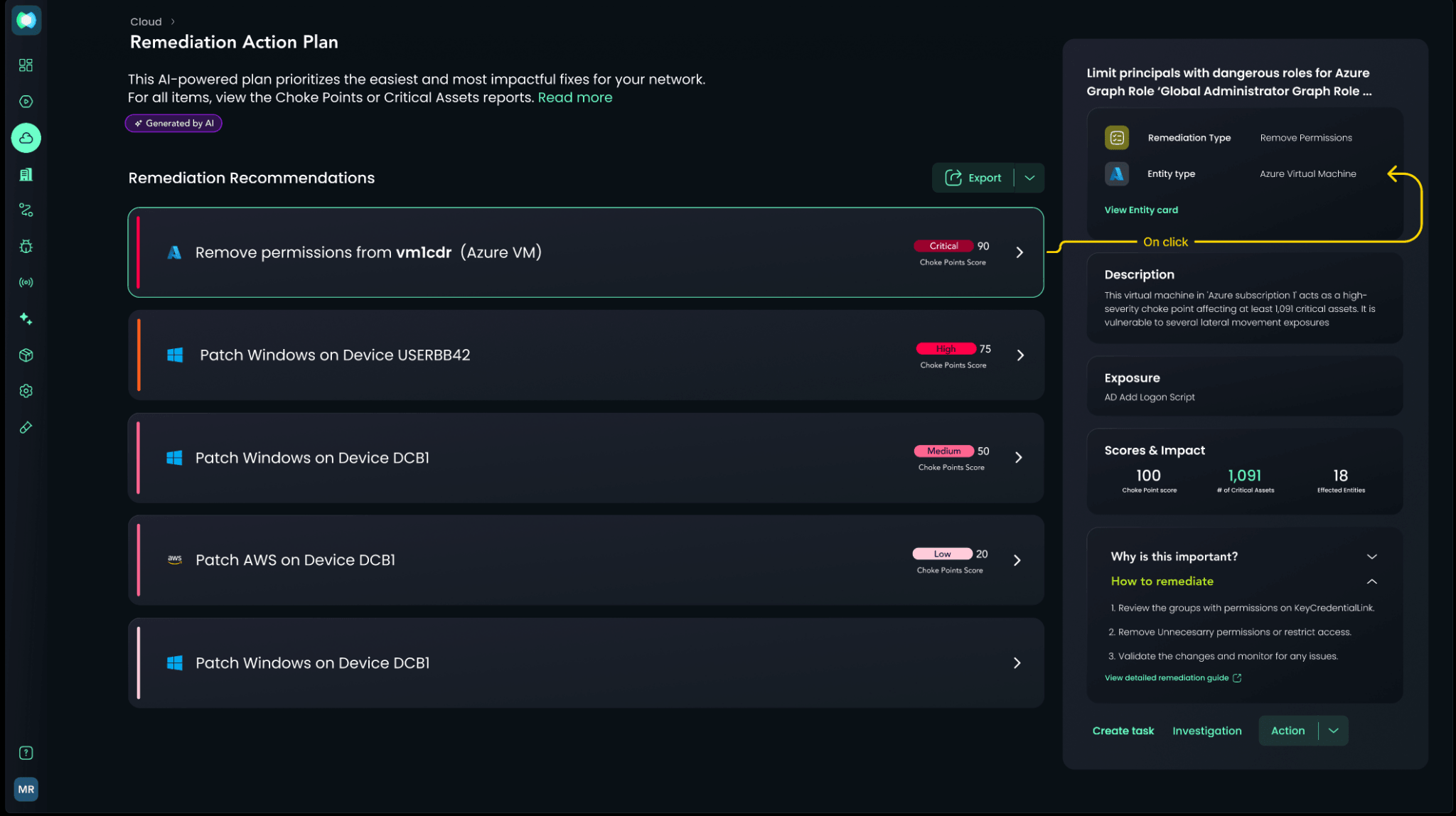
XM Cyber is a leading Israeli company in the field of Continuous Exposure Management, helping organizations understand how attackers may exploit weaknesses in their systems and prioritize the risks that matter most. The company recently introduced a new set of AI capabilities designed to help security teams streamline workflows, shorten response times, and reduce the organization’s exposure window.
In a recent article, XM Cyber presented these new capabilities and the vision behind them. We chose to look at the same project from a different perspective — the design process, the collaboration between different disciplines, and the challenges involved in designing a user experience for an AI-based product.
To do so, we spoke with Hodaya Dorin Sobol, a Product Designer from Studio Salant ID, who worked as part of XM Cyber’s product team and was involved in designing the user experience for one of the new capabilities.
Learning a New World in Order to Design for It
One of the things that came up in our conversation with Hodaya was the learning process itself. The world of cybersecurity was new to her, which meant not only becoming familiar with a new system, but also understanding the professional language, terminology, and workflows of users operating in a complex environment.
“I wasn’t familiar with the cybersecurity world. I learned it as I worked… I had to become familiar with cybersecurity terminology alongside the world of AI, and understand how to take all of this technological complexity and make it more accessible and effective for the user.”
According to Hodaya, only after understanding the user’s world can you begin making design decisions that truly serve their needs.

Designing for People, Not Just for AI
One of the central themes throughout the project was finding the right balance between AI capabilities and human judgment.
Hodaya explains that the goal is not to replace the user, but to help them deal with large amounts of information while maintaining their sense of control.
“AI is there to support us in terms of speed, efficiency, and filtering information, but the judgment still remains with the user.”
This is also one of the principles XM Cyber discusses in its official article — using AI to make work more efficient, shorten the path from insight to action, and keep critical decisions in the hands of professionals.
This approach is becoming a starting point for many AI-based products today, and it highlights the responsibility of product and design teams to create an experience that gives users confidence — not just automation.
Design Is a Collaborative Process
The work was carried out as part of a multidisciplinary team that included Product, Engineering, Technical Writing, and Design.
According to Hodaya, every decision was examined from several perspectives — from the user’s needs and the professional terminology to development constraints and the existing Design System.
“There’s a combination of ongoing discussion here — what is right for the user, what the Technical Writer thinks should be written, and what the Product Manager wants. You need to know how to listen to everyone’s needs and balance the user’s needs with the organizational and business needs.”
For us, this is a reminder that product design does not happen in a vacuum — it is the result of collaboration, listening, and iterations.
User Research as a Driver for Decision-Making
A significant part of the project was dedicated to usability testing and learning how users responded to the new interface.
Hodaya describes how observing users became an integral part of the process: not only listening to what they said, but also looking at how they reacted, where they hesitated, and which actions felt more natural to them.
These insights were repeatedly translated into improvements to the interface, the information structure, and the overall user experience.
Translating Complexity into a Simple Experience
When we asked Hodaya what the most significant challenge in the project was, she did not talk about a particular screen or feature. She talked about creating context.
“The biggest challenge was creating very clear context. If there is no context connecting the information with the action the user needs to take, they won’t understand what to do.”
This may be one of the most accurate definitions of a product designer’s role: taking a complex system, large amounts of information, and professional workflows — and turning them into an experience that is clear, accessible, and meaningful for the user.
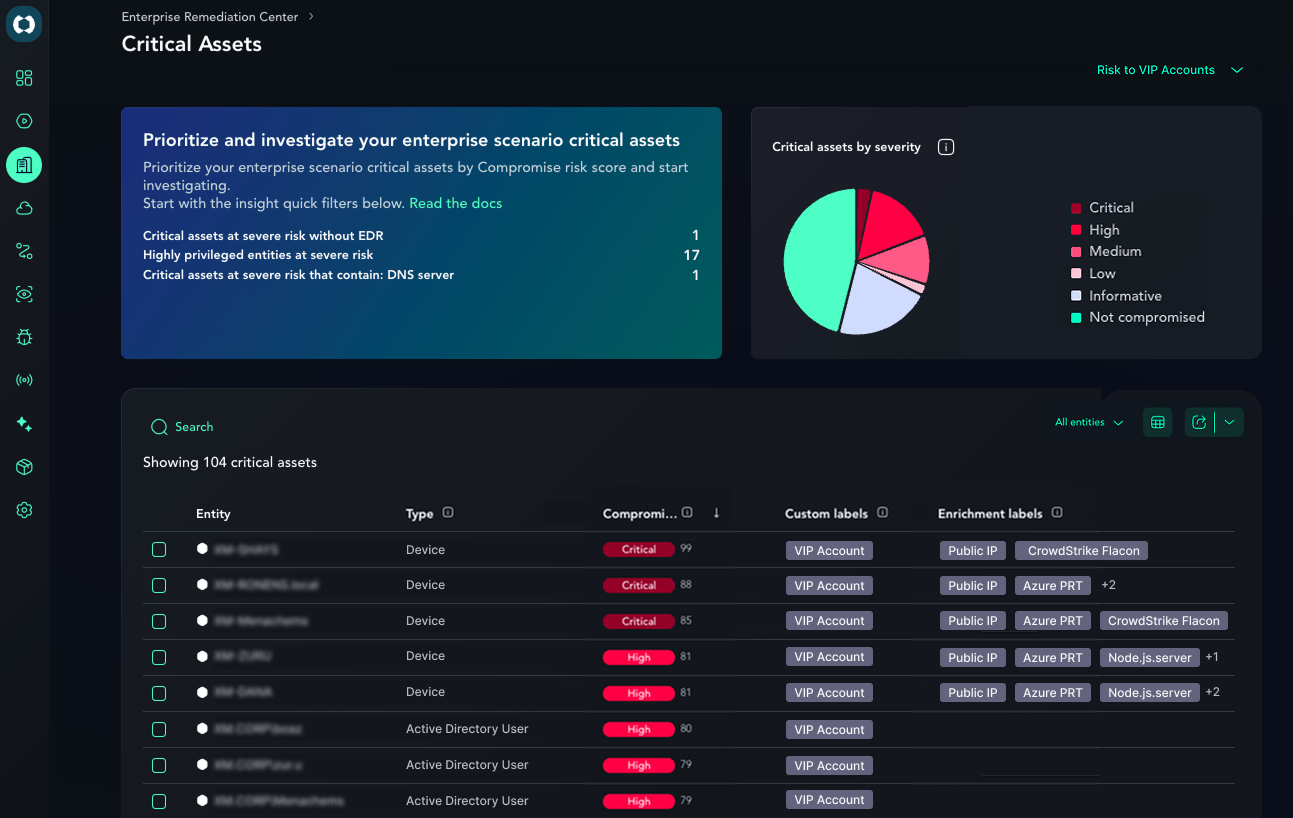
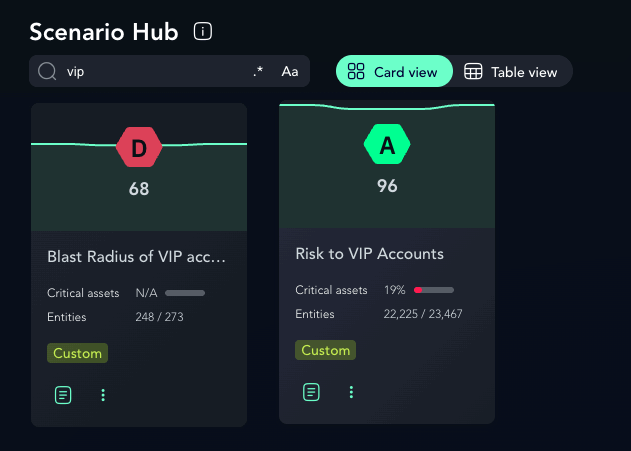
The main challenge in the project was turning complexity into a simple and clear experience — and that is exactly what Hodaya managed to do. She took the initial specification, adapted it to XM’s Design System, and translated it into a precise, intuitive, and easy-to-use interface that enables users to quickly understand, with minimal effort, what is right for them. She then led a series of usability tests, drew insights from them, and improved the interface based on the findings. The result is a solution that not only looks great, but is also designed to work effectively for its users.
Looking Ahead
At the end of the interview, we asked Hodaya to sum up in one sentence what this project represented for her.
Her answer was simple and precise:
“It was an opportunity to create a different experience for the user. To take a huge amount of information and make it accessible in a simple and smart way.”
For us at Studio Salant ID, this is exactly what product design is about — deeply understanding the user’s world, learning new domains, and translating complex systems into clear, precise, and meaningful work experiences.
While XM Cyber’s article presents the strategy, vision, and new capabilities of the product, we wanted to shed light on the process behind the scenes — the challenges, design decisions, and collaboration required to turn a complex idea into a user experience.